
وبلاگ
What is diabetes?

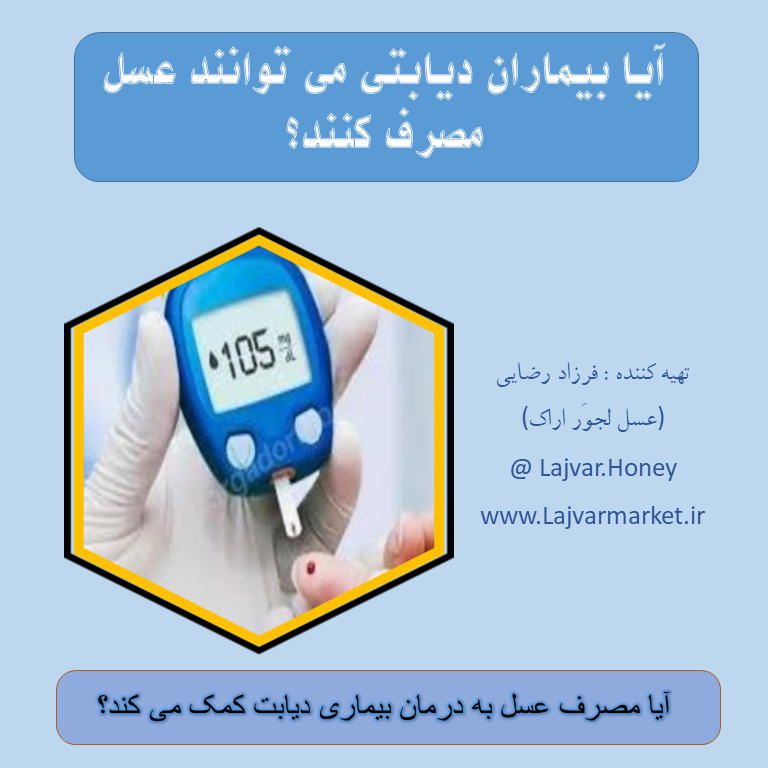
Diabetes is a chronic disease that affects the body’s sugar metabolism. Our bodies need a variety of foods to provide energy.These substances are converted into sugar or glucose in the body, which provides the energy we need. If for any reason glucose does not enter the cells through the blood and remains in the person’s bloodstream, blood sugar levels rise and the person develops diabetes.What causes this lack of sugar absorption is a lack of the hormone insulin. Insulin is secreted in the pancreas and is the key to sugar entering the cells.
In fact, it can be said that the cause of diabetes is a lack of insulin in the body or its ineffectiveness.
Type 1 diabetes is a genetic disease that usually begins in childhood. Doctors consider type 1 diabetes an autoimmune disease. This means that a person loses the insulin-producing cells in the pancreas when exposed to certain factors due to stimulation of the immune system.
Type 2 diabetes occurs when a person is insulin resistant. This means that the pancreas produces the necessary insulin, but the body cannot use it. Many factors such as lifestyle, inactivity, excess weight and diet play a role in the occurrence and severity of this disease. Type 2 diabetes usually manifests itself in people over 40 years of age.
Type 2 diabetes is a disease that is largely related to lifestyle. For this reason, it can be completely cured or largely controlled by making lifestyle changes.
Complications of diabetes:
Lack of control of diabetes (high or low blood sugar) in the long term can have irreversible effects on various organs of the body.
Blindness, kidney damage, diabetic foot ulcers, cardiovascular disease, neurological complications, impotence, and gum and tooth infections threaten diabetic patients.
Glycemic index:
The glycemic index (GI) is an index for measuring the increase in blood sugar caused by consuming certain foods.In general, foods are classified as low, medium, or high glycemic foods, and are ranked from a scale of zero to one hundred. The lower the GI or glycemic index of a particular food, the less it will affect your blood sugar levels. Three GI rankings are defined:
Low: 55 or less
Average: 56–69
High: 70 or above
The glycemic index of sugar is 65 and honey is 55. As a result, honey also increases blood sugar, but less than sugar. This means that diabetic patients should initially replace sugar with honey.
What honey is suitable for diabetics?
90% of honey’s weight is made up of sugars, which mainly include sucrose, glucose, and fructose. Since sucrose is quickly converted to glucose and absorbed into the blood, although it is present in up to 5% in natural honey, it should be less than 2% in diabetic honey.
Fructose is also converted to glucose by the liver and absorbed, which is a time-consuming process and does not raise blood sugar quickly.
So, the right honey for these patients should have more fructose and less glucose, meaning the fructose to glucose ratio should be greater than one.
Among single-flower honeys, honeydew honey, honeydew honey, acacia honey, and coriander honey are usually suitable for diabetic patients if they have the mentioned characteristics.
Can diabetics eat as much honey as they like?
A mistake that many people with diabetes make is thinking that they can eat honey as much as they like. Let us remind you that even honey that is low in sucrose can raise your blood sugar.
The primary goal of using diabetic honey is to replace it with sugar and get rid of the harms and disadvantages of artificial sweeteners such as sugar.
Moderation in honey consumption, although diabetic honey should be observed, and the daily amount of honey consumption for a person
For a person weighing 75 to 80 kilograms, the maximum daily dose is 20 to 30 grams (one to two tablespoons), although this amount can vary depending on the patient’s condition.
What is the role of honey consumption in the treatment of diabetes?
As mentioned, diabetes is caused by an unhealthy lifestyle, and the role of free radicals in causing and exacerbating this disease and its dangerous complications, such as diabetic ulcers, which can lead to amputation, has been proven.
Other side effects of free radicals in the body include various types of cancer, heart failure, brain damage, Alzheimer’s, Parkinson’s, kidney disease, muscle problems, premature aging, skin damage and eye damage, obesity, and overall weakness of the immune system.
Unfortunately, we cannot stop the production of free radicals, but it is possible to reduce their effects.
The body needs antioxidants to combat and control free radicals.
Although consuming honey, even the diabetic type, will increase blood sugar, due to the presence of antioxidants in natural, unheated, raw honey, especially in combination with other bee products, including pollen, royal jelly, and propolis, it will definitely reduce insulin resistance in the body and control this deadly disease in the long term.
Consuming natural honey is very effective in controlling the complications of diabetes, including diabetic ulcers.
Also, in patients who experience severe hypoglycemia, consuming a small amount of honey is the best and fastest way to regulate blood sugar.
Additional notes:
– Although replacing sugar with honey can be effective in improving the condition, it is not a substitute for medications and a healthy lifestyle.
– When it is said that diabetics can consume honey, what is meant is natural and raw honey (unheated) with high antioxidant properties. Many of the honeys available in the market and supermarkets are not only not beneficial for diabetics, but are also dangerous for brain and liver health due to the presence of various sweeteners such as corn fructose in them.
– The sucrose content of honey alone is not enough, and recently most counterfeit honeys have low sucrose content and industrial fructose and glucose have been used in their manufacture. Therefore, diabetic honeys must be certified by a specialized laboratory for quality and authenticity and must be purchased from reputable sellers.
– Patients whose blood sugar levels are very high and who have been advised to reduce their blood sugar levels should not use honey until they have reached normal blood sugar levels.
– If you are suffering from diabetes or a member of your family has this problem, be sure to consult your doctor before adding honey to your diet to adjust your medication dosage.
– In addition to natural honey, consider consuming other bee products, including pollen, royal jelly, and propolis, along with exercise and lifestyle modifications to control diseases.

